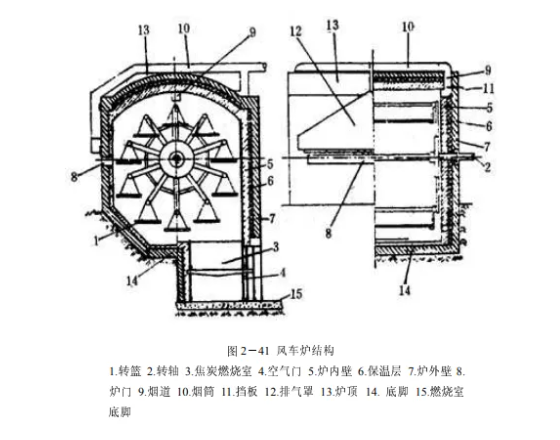
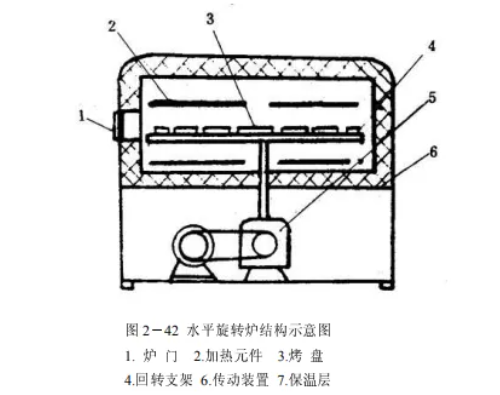
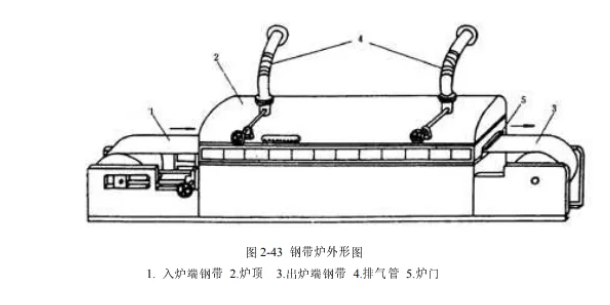
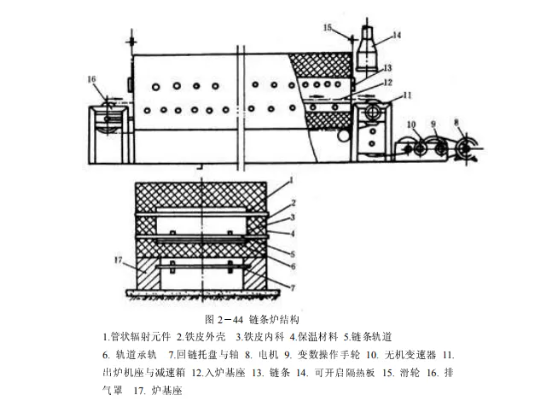
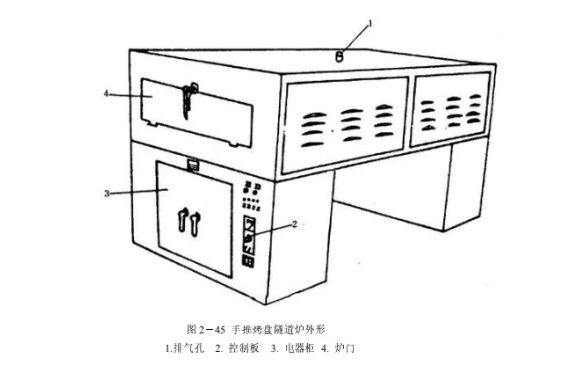
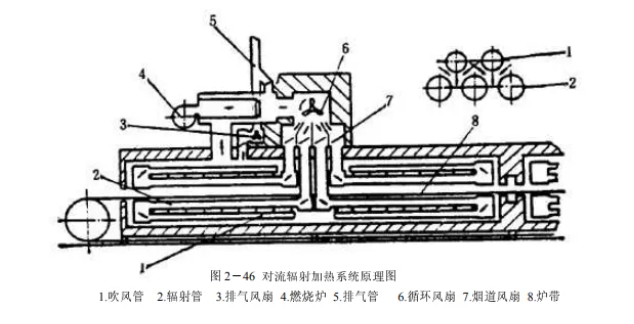
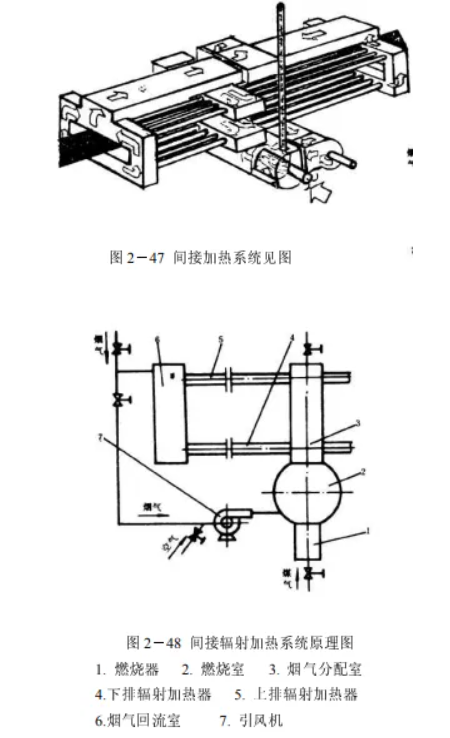
There are many types of ovens, and they can be classified in many ways. However, they are generally classified according to the source of heat energy, structural type, etc.Classified by oven heat sourceDepending on the heat source, ovens can be classified as coal ovens, gas ovens, oil ovens, and electric ovens.1. Coal stoveOvens that use coal as fuel are called coal ovens. They come in various types. These ovens have simple combustion equipment, are safe to operate, and use relatively inexpensive and readily available fuel. They are suitable for baking various foods in small and medium-sized food factories. Their disadvantages include poor hygiene, high labor intensity for workers, difficulty in temperature control, and a heavy, bulky oven body that is not easy to move.2. Gas stoveOvens that use coal gas, natural gas, or liquefied petroleum gas as fuel are collectively called gas stoves. Gas stoves are easier to heat than coal stoves; more nozzles can be installed in high-temperature zones, and fewer in low-temperature zones. If localized overheating occurs, the corresponding nozzles can be shut off. Gas stoves are also much smaller than coal stoves, reducing heat loss and improving working conditions for workers.3. Electric furnaceAn electric oven is a type of oven that uses electricity as a heat source. Based on different radiation wavelengths, they are further divided into ordinary electric ovens, far-infrared electric ovens, and microwave ovens, etc.Electric ovens have advantages such as compact structure, small footprint, convenient operation, easy control, high production efficiency, and good baking quality. Among them, far-infrared electric ovens are the most outstanding. They utilize the characteristics of far-infrared rays to improve thermal efficiency and save electricity, and are widely used in large, medium, and small food factories.Classification by structural typeFood ovens can be divided into two main categories based on their structural design: box ovens and tunnel ovens.1. Box-type furnaceBox ovens resemble boxes in shape and can be categorized into fixed-tray box ovens, fan ovens, and horizontal rotary ovens, depending on the movement of food within them. Among these, the fixed-tray box oven is the simplest in structure, the most widely used, and the most representative, and is therefore often simply referred to as a box oven.(1) Box-type oven. Several layers of supports are installed on the inner wall of the oven chamber to support the baking trays. The radiant elements are arranged alternately with the baking trays. During the entire baking process, there is no relative movement between the food in the baking trays and the radiant elements. This type of oven operates intermittently, so the output is small. It is more suitable for baking various foods in small and medium-sized food factories.(2) Windmill furnace. The windmill furnace is named after the rotating basket device in the drying chamber that resembles a windmill. Its structure is shown in Figure 2-41.These ovens typically use anthracite, coke, or coal gas as heat sources, but can also employ electric or far-infrared heating technologies. In coal-fired windmill ovens, the combustion chamber is usually located below the drying chamber. Because the fuel burns inside the drying chamber, heat is directly transferred through radiation and convection to bake the food, resulting in high thermal efficiency. Windmill ovens also have the advantages of small footprint, relatively simple structure, and high output. They are still used in bread production. The disadvantages of windmill ovens include manual loading and unloading of food, requiring strenuous operation and high labor intensity.(3) Horizontal rotary oven. A horizontal rotary oven is equipped with a horizontally arranged rotating baking tray support. The baking tray with raw dough is placed on the rotating support. During baking, because the food rotates in the oven, the temperature difference between each dough is very small, so the baking is uniform and the production capacity is large. Its disadvantages are that the food is loaded and unloaded manually, which is labor-intensive, and the oven body is relatively bulky. Figure 2-42 is a schematic diagram of the structure of a horizontal rotary oven.2. Tunnel furnaceA tunnel oven is a long oven with a narrow, elongated drying chamber, where there is relative movement between the food and the heating elements during baking. Because the food moves within the oven as if passing through a long tunnel, it is called a tunnel oven.Tunnel ovens can be classified into steel belt tunnel ovens, mesh belt tunnel ovens, baking tray chain tunnel ovens, and hand-push baking tray tunnel ovens, depending on the transmission device that moves the food inside the oven.(1) Steel strip tunnel furnace steel strip tunnel.A steel belt oven is a type of oven in which food is transported along a conveyor belt that moves through a tunnel. The steel belt is driven by hollow rollers with a diameter of 500-1000 mm, located at both ends of the oven. After baking, the product exits from the end of the oven and falls onto a cooling conveyor belt for the next processing step. The external appearance of a steel belt oven is shown in Figure 2-43.Because the steel strip only circulates within the furnace, heat loss is minimal. Steel strip furnaces typically use variable-speed motors that operate synchronously with food forming machinery, producing bread, biscuits, cookies, and pastries. Their disadvantages include the difficulty in manufacturing the steel strip and the complexity of the alignment device. These ovens usually use natural gas, coal gas, fuel oil, or electricity as heat sources.(2) Mesh Belt Tunnel Oven. The mesh belt tunnel oven, also known as the mesh belt furnace, has a similar structure to the steel belt furnace, except that the carrier for conveying the blanks is a mesh belt. The mesh belt is made of woven metal wire. After long-term use and damage, the mesh belt can be repaired, thus having a long service life. Due to the large mesh openings of the mesh belt, the moisture at the bottom of the product can easily evaporate during the baking process, preventing oil slicks and depressions.Mesh belt ovens are less prone to slippage and their deviation is easier to control compared to steel belt ovens. The heat source used in mesh belt ovens is essentially the same as that used in steel belt ovens. Mesh belt ovens offer high baking capacity and low heat loss, making them ideal for baking foods such as biscuits. These ovens are easily integrated with food forming machinery to form continuous production lines. The disadvantage of mesh belt ovens is that they are difficult to clean; dirt on the mesh belt easily adheres to the bottom of food products, affecting their appearance.(3) Chain tunnel oven. A chain tunnel oven is an oven in which the movement of food and its carriers within the oven is achieved by chain drive, also known as a chain oven. Its main transmission components include an electric motor, a gearbox, a reducer, a drive shaft, and sprockets. A simplified structural diagram of a chain oven is shown in Figure 2-44. There is a horizontal shaft at each end of the oven body, with a driving and a driven sprocket mounted on the shaft respectively. The chain drives the food carriers to move along the track. Depending on the type of food being baked, there are generally two types of carriers in a chain oven: baking trays and baking baskets. Baking trays are used to hold biscuits, pastries, and fancy breads, while baking baskets are used for baking canned bread.Chain tunnel ovens typically have a baking tray turning device and a turning device at the exit end to allow finished products to enter the cooling conveyor belt, where the trays are returned to the entrance end by an external conveyor. Because the baking trays circulate outside the oven, heat loss is significant, which is detrimental to the working environment and wastes energy.Depending on the number of food items entering the oven simultaneously, chain ovens are divided into single-row chain ovens and double-row chain ovens. A single-row chain oven has one pair of chains, allowing one baking tray or one row of baking baskets to enter the oven at a time. A double-row chain oven has two pairs of chains, allowing two baking trays or two rows of baking baskets to enter the oven simultaneously.Chain ovens are typically used in conjunction with forming machinery to form a continuous production line, resulting in high production efficiency. Because the speed of the drive chain is adjustable, they have a wide range of applications and can be used to bake various foods.(4) Hand-push baking tray tunnel oven. The hand-push baking tray tunnel oven has no mechanical transmission device, and the carrier moves in the oven by human power. This type of oven is equipped with one or more pairs of rails made of flat steel on the bottom of the oven, and the food baking trays are placed on the rails.During operation, one operator is required at each of the inlet and outlet to complete the tasks of loading and unloading from the oven. This type of tunnel oven has a relatively short furnace body, simple structure, and wide applicability, and is mostly used in medium and small-sized food factories. Its disadvantages are that it requires more operators, the labor intensity is relatively high, the movement speed of food inside the oven is difficult to control, the baking quality of food is difficult to control, and it cannot be integrated with food forming machinery to form a continuous production line. Its appearance is shown in Figure 2-45.Classification by heat source location of heaters1. The heat source is inside the oven chamber.This type is currently the most widely used in China. The two most common types are tubular electric heaters with the heat source inside the furnace and tubular gas atmospheric burners.2. The heat source is outside the oven chamber.This type of heating is mostly forced heating, where the medium is heated outside the furnace before being introduced into the furnace. This type is currently more widely used abroad. The main types are as follows.(1) Convection-radiation oven. This type of oven uses both convection heating and radiation heating. Figure 2-46 shows the principle of this oven.After being heated by burner 4, the high-temperature flue gas enters the heating tubes through circulating fan 6 and flue damper 7. The heating tubes are divided into upper and lower parts, with furnace belt 8 passing between them. The upper and lower heating tubes can be further divided into radiant tubes 2 and air blowing tubes 1. The front half of the heating tubes, closer to the furnace belt, are radiant tubes with no openings on the tube surface; the rear half of the heating tubes, further away from the furnace belt, are air blowing tubes with small openings facing the furnace belt.The radiant tubes emit radiant heat to bake the cookies, and the blower pipes blow the hot flue gas from the radiant tubes through the holes onto the furnace belt, creating good convection in the furnace chamber to achieve uniform heating of the cookies. Part of the flue gas accumulated in the upper part of the furnace chamber is recycled after gas-liquid separation, and part is discharged from the furnace chamber through exhaust fan 3 and exhaust pipe 5.There is a connecting pipe between the flue gas inlet and the exhaust pipe. When there is too much flue gas in the flue, it can enter the exhaust pipe and be discharged into the atmosphere through the connecting pipe. Usually, one convective-radiant heating system is set up in each furnace area, and each system can be automatically controlled independently.Convection-radiation heating systems are characterized by uniform heat transfer and high thermal efficiency, approximately 20% higher than conventional ovens . Baking time can be shortened, improving fuel economy. However, they are less adaptable to different types of biscuits and require more advanced technical skills.(2) Indirect radiant heating oven. In some gas-fired ovens, some crumbly biscuits can absorb harmful components from the gas, causing them to spoil. This is especially true for some high-end products, where the absorption will produce an unpleasant odor. If an indirect radiant heating oven is used, the flue gas generated after the gas combustion will not directly contact the food, thus ensuring the baking quality.Figures 2-47 and 2-48 show simplified diagrams and working principle diagrams of an indirect radiant heater. A fixed amount of gas enters the burner 1 under a certain pressure and burns in the combustion chamber 2. Air is introduced into the combustion chamber by the induced draft fan 7. The resulting high-temperature flue gas enters the upper and lower rows of radiant heating tubes 4 and 5 through the flue gas distribution chamber 3. The furnace belt runs between the upper and lower heating tubes, and the heating tubes release radiant heat to bake the biscuits. The diameter of the heating tubes is mostly 100 mm.The flue gas exiting the heating tubes passes through the flue gas return chamber 6, with most of it exiting through the chimney. A small portion of the flue gas is recycled and returned to the combustion chamber by the induced draft fan. Since the flue gas temperature is much higher than the air temperature, recycling a portion of the flue gas improves the oven’s thermal efficiency. However, to ensure sufficient air in the combustion chamber, the amount of recirculated flue gas must be controlled; generally, the recycled amount is 25-30%. The circulation system of the indirect radiant heater must have good sealing to prevent flue gas leakage and contact with food.In addition, efforts should be made to ensure that the flue gas in the heating circulation system operates under negative pressure. This way, even if there is a slight leak in the heating tubes, the product quality will not be affected by the escape of flue gas. Before the flue gas enters the upper and lower heating tubes, a regulating valve should be installed in the flue gas distribution chamber to regulate the amount of flue gas entering the upper and lower heating tubes, thereby controlling the heat required by the upper and lower parts of the furnace belt. If there is too much flue gas in the distribution chamber, the exhaust valve of the distribution chamber can be opened to draw the flue gas elsewhere.Because indirect radiant heaters use indirect heating, the oven temperature is limited and not as high as that of direct-heating ovens, making them unsuitable for baking soda crackers. Furthermore, their thermal efficiency is lower than direct heating, so they are only used in special applications.