Motor products have dual requirements for mechanical and electrical characteristics. The electrical requirements mainly include specific aspects such as motor insulation performance, current, and voltage. However, the mechanical characteristics of motors are not given much attention or importance, especially since most motor manufacturers adopt a production model of outsourcing components, which further weakens their focus on the mechanical characteristics of motors.
The mechanical strength of a motor is assessed from eight aspects. If the motor can withstand these tests, the mechanical safety of the motor operation can be ensured.
The mechanical strength test of an electric motor mainly includes eight items: overspeed test, short-time over-torque test, impact test, junction box static pressure test, inlet thread pipe strength test, terminal test, hoisting device and lead cable clamping test. The purpose of each test is not the same. Some tests have been verified during the manufacturing stage of the motor components, while others must be performed on the entire motor or even under power-on conditions.
After the overspeed test, the rotating parts of the motor should not exhibit permanent abnormal deformation or defects that would impede its operation. This test is particularly important for wound-rotor motors due to the unique characteristics of wound rotors, which also limit the speed of this type of motor. After the motor undergoes the overspeed test, the rotor windings should be able to withstand the specified withstand voltage test.
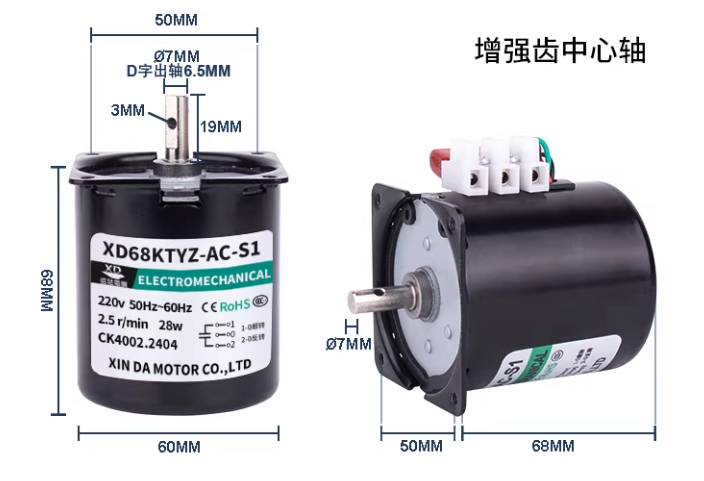
For multiphase induction motors and DC motors, regardless of the duty cycle or structure, the motor must be able to withstand an over-torque test of not less than 1.6 times the rated torque for 15 seconds. During the test, the motor must not experience sudden changes in speed, let alone stop.
Impact testing is primarily for motors with non-metallic casings. After the test, no factors that would affect the motor’s operation should occur, and the electrical clearances and creepage distances should not be affected. From the impact test requirements for motors alone, it can be seen that for many exported motors, buyers require the junction box to be made of cast iron or sufficiently thick steel plate, disallowing the use of thin steel plate materials more commonly used domestically. This is believed to be directly related to the specific operating environment.
The hoisting device test must also be completed in the condition of the whole machine, which involves the safety of the motor hoisting process. In addition to the load-bearing requirements, the direction of the hoisting process must also be taken into account for the hoisting rings at different positions.
Post time: Jan-07-2026