Motor selection for continuous duty operation requires comprehensive judgment based on actual load characteristics. On-site loads are mainly divided into two categories: constant loads and variable loads. Among them, constant loads, also known as constant value loads, are a conventional load type classified by the motor’s operating time characteristics. During the complete operating cycle, the load torque and output power of the motor remain basically stable without significant periodic impacts and fluctuations. During operation, the motor current and temperature rise can gradually stabilize. Variable loads, on the other hand, mostly exhibit periodically changing load characteristics.
For the more widely used constant load conditions, the core principle of motor selection is that the rated power is slightly greater than the actual load power. Conventional industrial motors are designed for continuous operation under constant load conditions, and their factory performance tests and quality evaluation standards are also based on the continuous operation under rated power conditions. When operating under standard environmental conditions, the motor temperature rise can be controlled within the design limit range, and the overall operation is safe, stable and reliable.
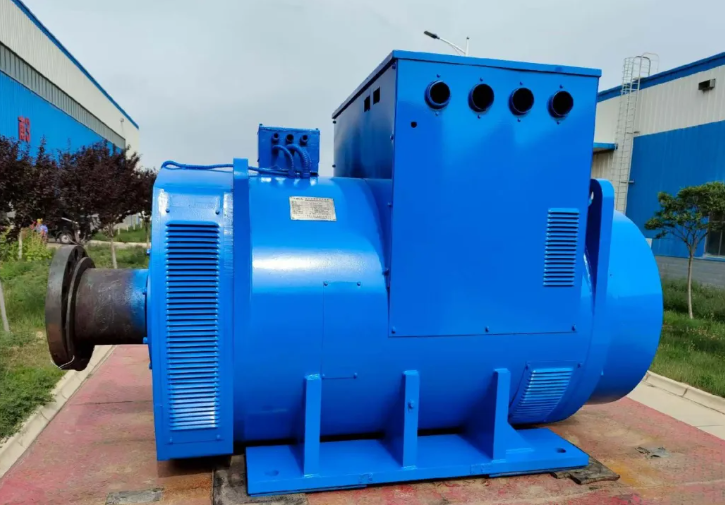
For direct-start squirrel-cage induction motors, the winding heating generated during the starting process needs to be additionally checked during selection. In infrequent starting conditions, the impact of starting heat on the motor is negligible. However, in frequent starting conditions, the motor’s starting load capacity must be strictly checked, and a soft starter may be necessary to avoid damage to the motor due to starting heat. In addition, the on-site operating environment is a key factor affecting the selection of motors for continuous duty. When the actual ambient temperature deviates from the standard 40℃ reference temperature, or when the equipment installation site is at a high altitude, the available output power of the motor needs to be adjusted according to the actual on-site conditions. This avoids energy waste and performance redundancy caused by an oversized motor, and also effectively prevents excessive temperature rise and insulation aging damage during long-term operation. Based on relevant industry standards and engineering experience, and using 40℃ as the standard ambient reference temperature, the actual output power of the motor can be adjusted accordingly: when the ambient temperature is above 40℃, the motor’s heat dissipation conditions deteriorate, and the output power should be lower than the rated power; when the ambient temperature is below 40℃, heat dissipation conditions are better, and the actual output power can be moderately higher than the rated power. However, when the ambient temperature is below 30℃, the power increase should not exceed 8% to avoid mechanical overload failure. It is particularly important to note that when the motor is used at an altitude exceeding 1000m, the thin air will reduce the motor’s heat dissipation efficiency. This condition must be considered in advance during the motor design and testing phases. When ordering equipment, users must fully inform the manufacturer of the altitude, ambient temperature, and other on-site operating conditions to ensure accurate selection and suitability for the operating conditions.
Post time: Sep-01-2026