Impregnation is an important step in the winding insulation process. After impregnation, the winding undergoes a necessary drying process, and then the insulating varnish bonds and cures the magnet wire and other materials into a whole, ensuring that the winding insulation and mechanical properties meet the requirements.
However, during actual operation, the insulating varnish may peel off from time to time, indicating that the adhesiveness and bonding of the insulating varnish are poor.
This problem also occurs during the surface coating process of motors. A common issue is that the anti-rust paint on the surface of the casting reacts with the surface paint, resulting in blistering and peeling. After the motor windings are impregnated and dried, the insulating varnish is in a brittle state, which makes it easy to separate from the windings, and the windings naturally cannot become a solid whole.
Besides quality issues with the insulating varnish itself, some adverse conditions during the manufacturing process may also cause the insulating varnish to fail to adhere. For example, if oily substances contaminate the windings during operation, this problem is similar to the situation where the surface varnish cannot adhere after lubricating grease is applied to the motor surface.
Those who have participated in the inspection and handling of motors with winding faults can find that when the windings are partially or completely burned due to electrical faults, the insulating varnish will become brittle. This indicates that high temperature is an important factor causing the insulating varnish to peel off.
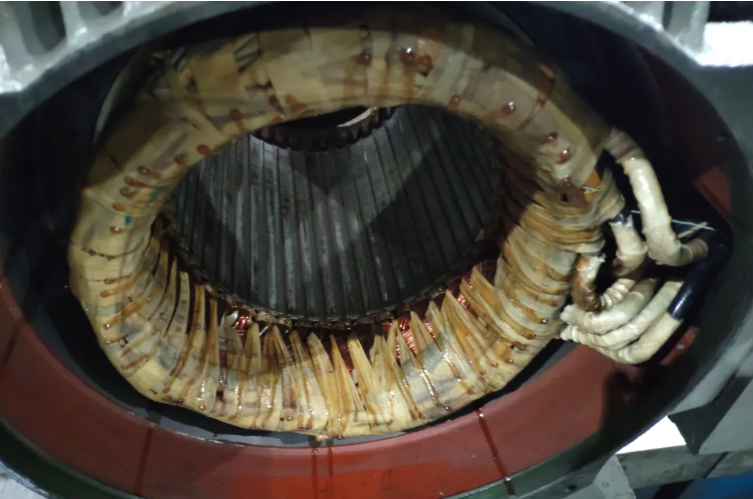
During the actual operation of the motor, when the temperature rise of the motor winding is high, it will cause the performance of all the insulation materials of the motor winding to deteriorate. After the insulation varnish becomes brittle, the winding will become loose. At the same time, the overall insulation performance will deteriorate, and the motor will also experience vibration and noise problems during operation, which will seriously affect the reliability of the motor.
Therefore, for the control of the winding impregnation process, on the one hand, it is necessary to ensure that the motor impregnation process meets the requirements and is strictly implemented, and on the other hand, it is necessary to ensure that the related processes meet the requirements, especially the control and consideration of temperature rise level during application.
Post time: Jun-20-2026