Difference between 5-wire and 6-wire Hall effect sensors for motors (specifically for electric vehicles/brushless motors)
In short: 5-wire Hall effect sensor: General-purpose; 6-wire Hall effect sensor: Includes temperature detection/signal shielding, used in high-power, waterproof motors.
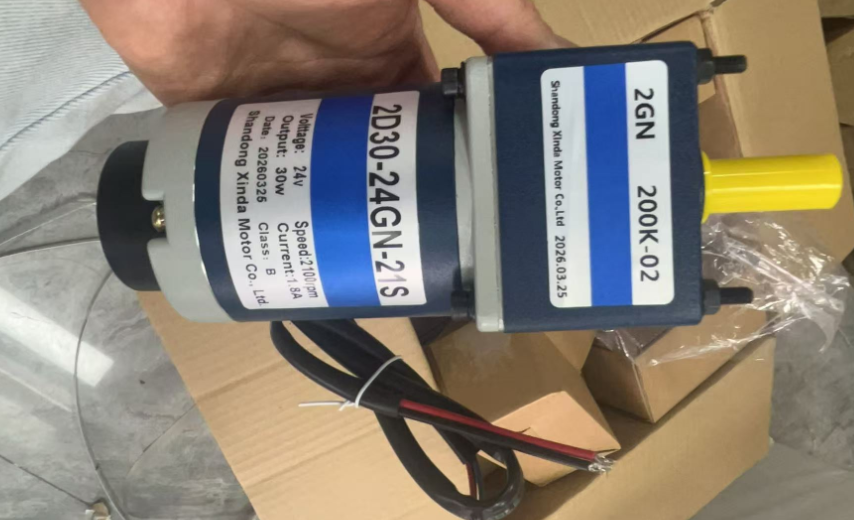
I. Understanding the basics: What are the standard 4 wires of a Hall effect sensor?
The standard 4 wires for a brushless motor Hall effect sensor are:
1. Red wire: +5V power supply
2. Black wire: Negative terminal GND
3. Yellow wire: A-phase signal
4. Green wire: B-phase signal
5. Blue wire: C-phase signal → This is the 5-wire Hall effect sensor.
II. 5-wire Hall effect sensor (most common)
Wire definition:
- 5V power supply, negative terminal, A/B/C three-phase signal wires
Uses:
- Ordinary two-wheeled electric vehicles, three-wheeled vehicles, low-power brushless motors
- Only detects rotor position, commutation, and speed measurement. No temperature measurement, no shielding, sufficient, inexpensive
III. 6-wire Hall effect sensor (1 extra wire)
The extra wire generally comes in two types:
1. Shielded wire (grounding): Anti-interference, for high-power motors
2. Temperature detection wire (thermometer): Detects motor temperature, prevents overheating and controller burnout
Wire Definitions
1. Red: +5V
2. Black: Negative terminal
3. Yellow: Phase A
4. Green: Phase B
5. Blue: Phase C
6. Brown/Gray: Shielding/Temperature wire
Applications
- High-power electric motorcycles, high-speed motors, waterproof motors, heavy-duty electric tricycle motors
- Functions:
- Shielding: Reduces electromagnetic interference, prevents motor vibration, ensures smooth starting, and eliminates abnormal noise
- Temperature measurement: Automatically reduces power/protects against overheating, preventing motor burnout
IV. Simple Comparison
- 5-wire: Ordinary motors, only measures speed by reversing direction, inexpensive and universal
- 6-wire: For high-power/high-speed motors, multiple shielding or temperature protection options, resulting in greater stability and durability.
V. Can they be interchanged?
- A 5-wire Hall effect sensor can directly replace a 6-wire one: simply leave the extra wire unconnected and insulated.
- To replace a 6-wire Hall effect sensor with a 5-wire controller: leave the extra wire unconnected; it will work just the same.
Do you need me to prepare a 5-wire/6-wire Hall effect sensor wiring color chart for you?
Post time: May-13-2026