Knowledge
-

Why does the winding of the three-phase motor burn out when the phase is missing? How much current can star and delta connections be made?
For any motor, as long as the actual running current of the motor does not exceed the rated motor, the motor is relatively safe, and when the current exceeds the rated current, the motor windings are in danger of being burned. In three-phase motor faults, phase loss is a typical type of fault, bu...Read more -
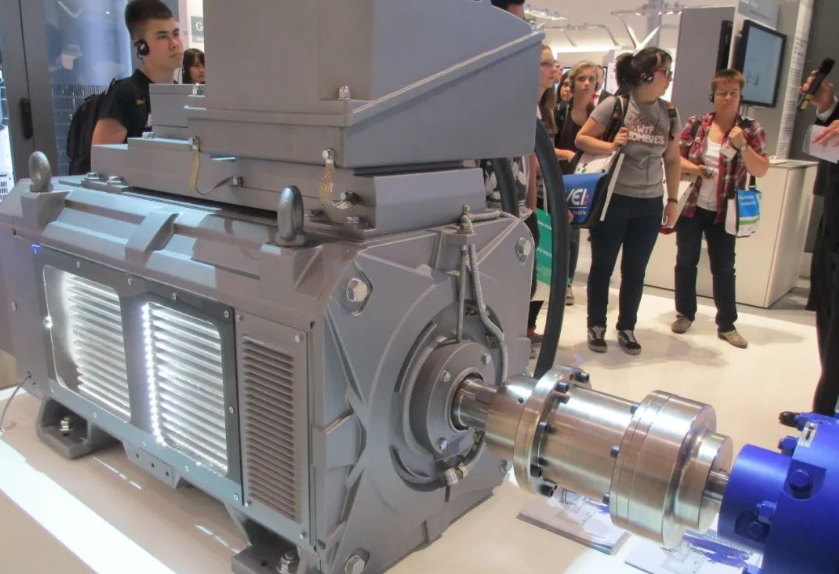
Why is the shaft extension diameter of the multi-pole low-speed motor larger?
A group of students asked a question when they visited the factory: Why are the diameters of the shaft extensions obviously different for two motors with basically the same shape? Regarding this content, some fans have also raised similar questions. Combined with the questions raised by fans, we ...Read more -
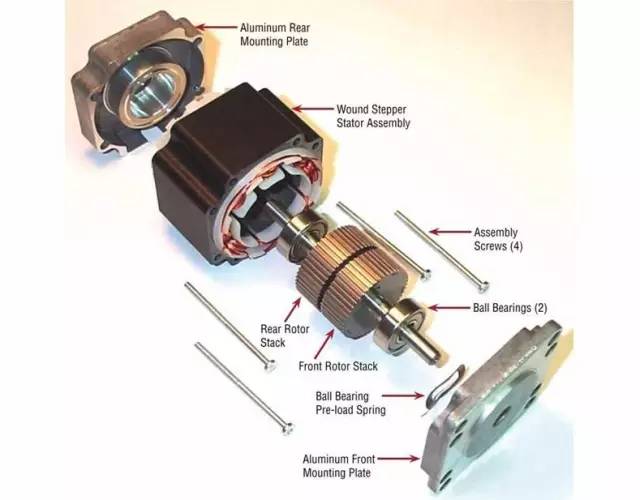
The future of the motor will be “brushless” after all! The advantages and disadvantages, function and life of brushless motors!
Summary Brushless DC motors have flooded into various industries like a mad wave, becoming a well-deserved rising star in the motor industry. Can we make a bold guess – in the future, the motor industry will enter the “brushless” era? Brushless DC motors do not have brush...Read more -
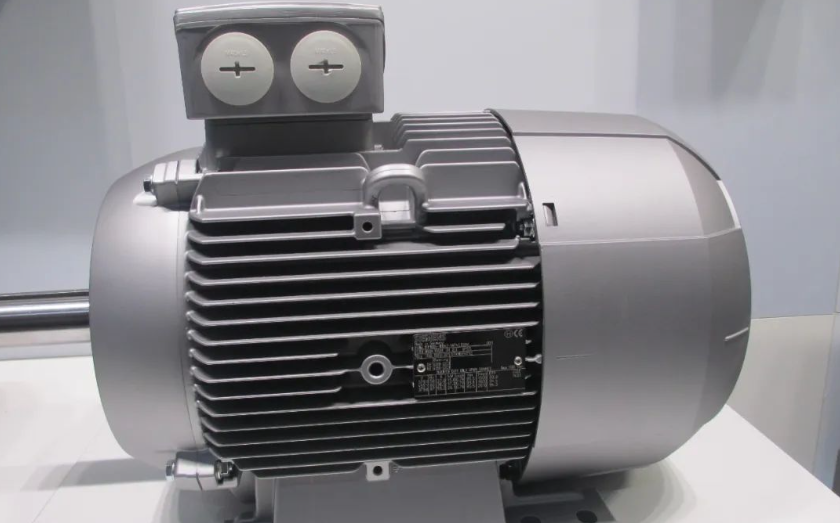
Which kinds of motors are high-efficiency and energy-saving products?
For motor products, higher power factor and efficiency are important signs of their energy-saving levels. Power factor assesses the ability of a motor to absorb energy from the grid, while efficiency assesses the level at which a motor product converts the absorbed energy into mechanical energy. ...Read more -
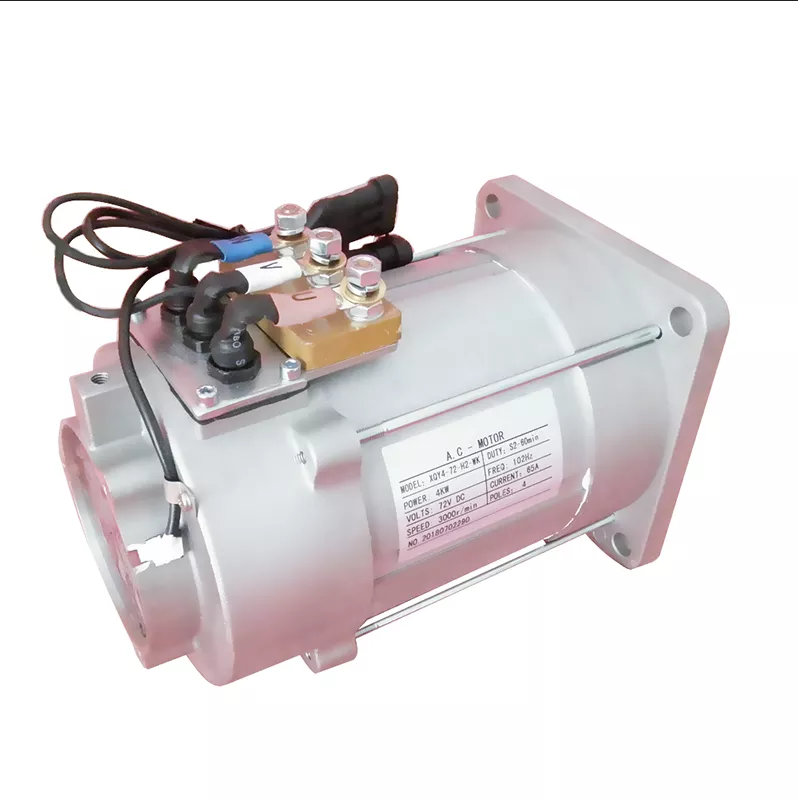
Motor temperature and temperature rise
“Temperature rise” is an important parameter to measure and evaluate the degree of heating of the motor, which is measured under the thermal balance state of the motor at rated load. End customers perceive the quality of the motor. The usual practice is to touch the motor to see how t...Read more -
How does the motor run?
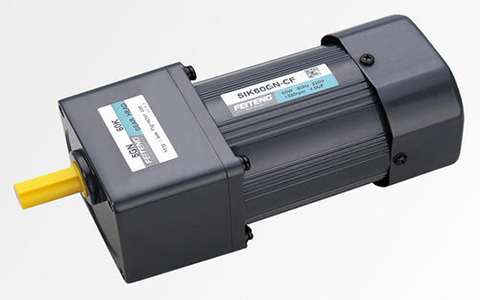
Nearly half of the world’s power consumption is consumed by motors. Therefore, improving the efficiency of motors is said to be the most effective measure to solve the world’s energy problems. Motor type In general, it refers to converting the force generated by the current flo...Read more -

What kind of motors are used in the washing machines we all have?
The motor is an important component of washing machine products. With the performance optimization and intelligent improvement of washing machine products, the matching motor and transmission mode have also quietly changed, especially in line with our country’s overall policy-oriented requi...Read more -
The role of frequency converter in motor control
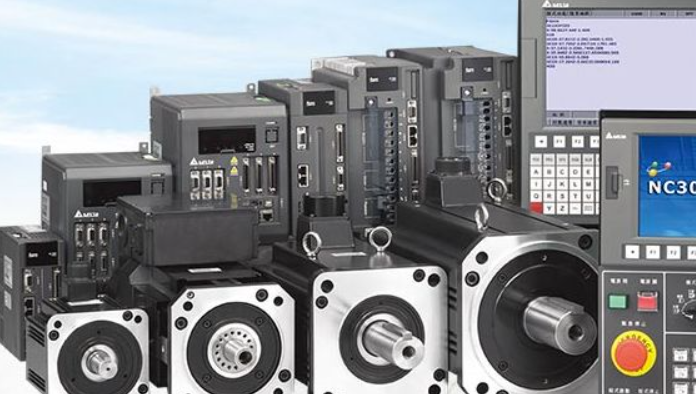
For motor products, when they are produced in strict accordance with design parameters and process parameters, the speed difference of motors of the same specification is very small, generally not exceeding two revolutions. For a motor driven by a single machine, the speed of the motor is not too...Read more -
Why should the motor choose 50HZ AC?
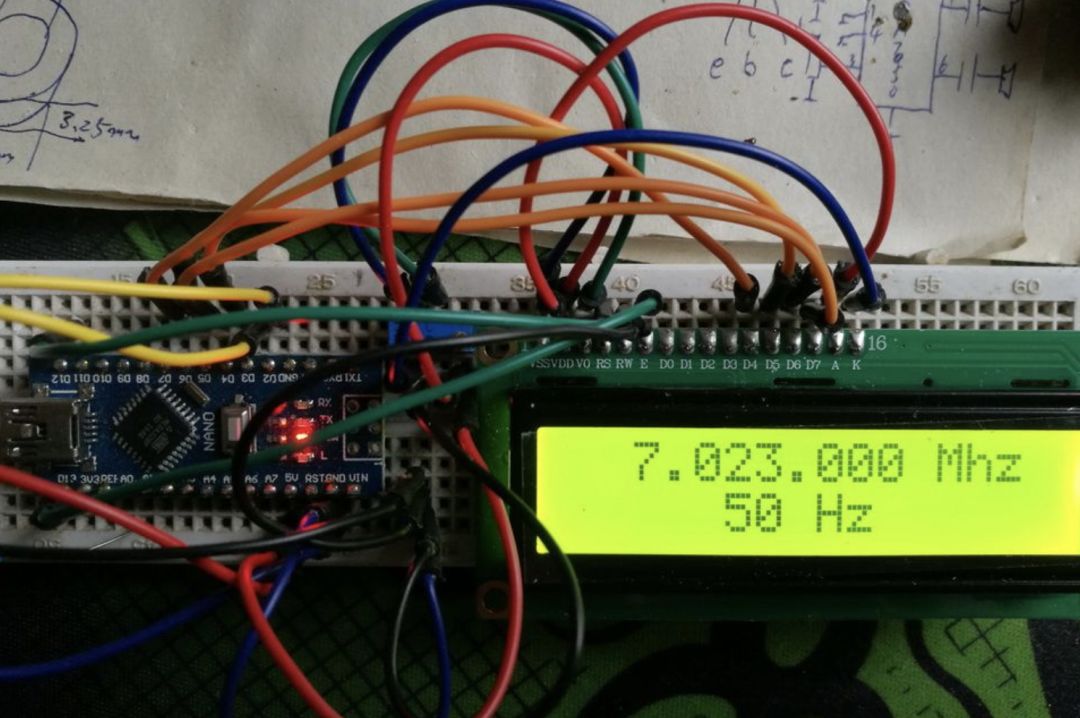
Motor vibration is one of the current operating conditions of motors. So, do you know why electrical equipment such as motors uses 50Hz alternating current instead of 60Hz? Some countries in the world, such as the United Kingdom and the United States, use 60Hz alternating current, because ...Read more -
What are the special requirements for the bearing system of a motor that starts and stops frequently, and rotates forward and reverse?
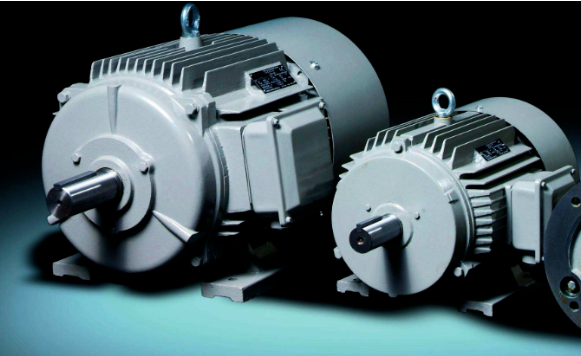
The main function of the bearing is to support the mechanical rotating body, reduce the friction coefficient during , and ensure its rotation accuracy. The motor bearing can be understood as being used to fix the motor shaft, so that its rotor can rotate in the circumferential direction, and at t...Read more -
The Proportional Change Law of Motor Loss and Its Countermeasures
The loss of three-phase AC motor can be divided into copper loss, aluminum loss, iron loss, stray loss, and wind loss. The first four are heating loss, and the sum is called total heating loss. The proportion of copper loss, aluminum loss, iron loss and stray loss to the total heat loss is expoun...Read more -

Analysis and preventive measures of common faults of high-voltage motors!
The high-voltage motor refers to the motor that operates under the power frequency of 50Hz and the rated voltage of 3kV, 6kV and 10kV AC three-phase voltage. There are many classification methods for high-voltage motors, which are divided into four types: small, medium, large and extra large acco...Read more