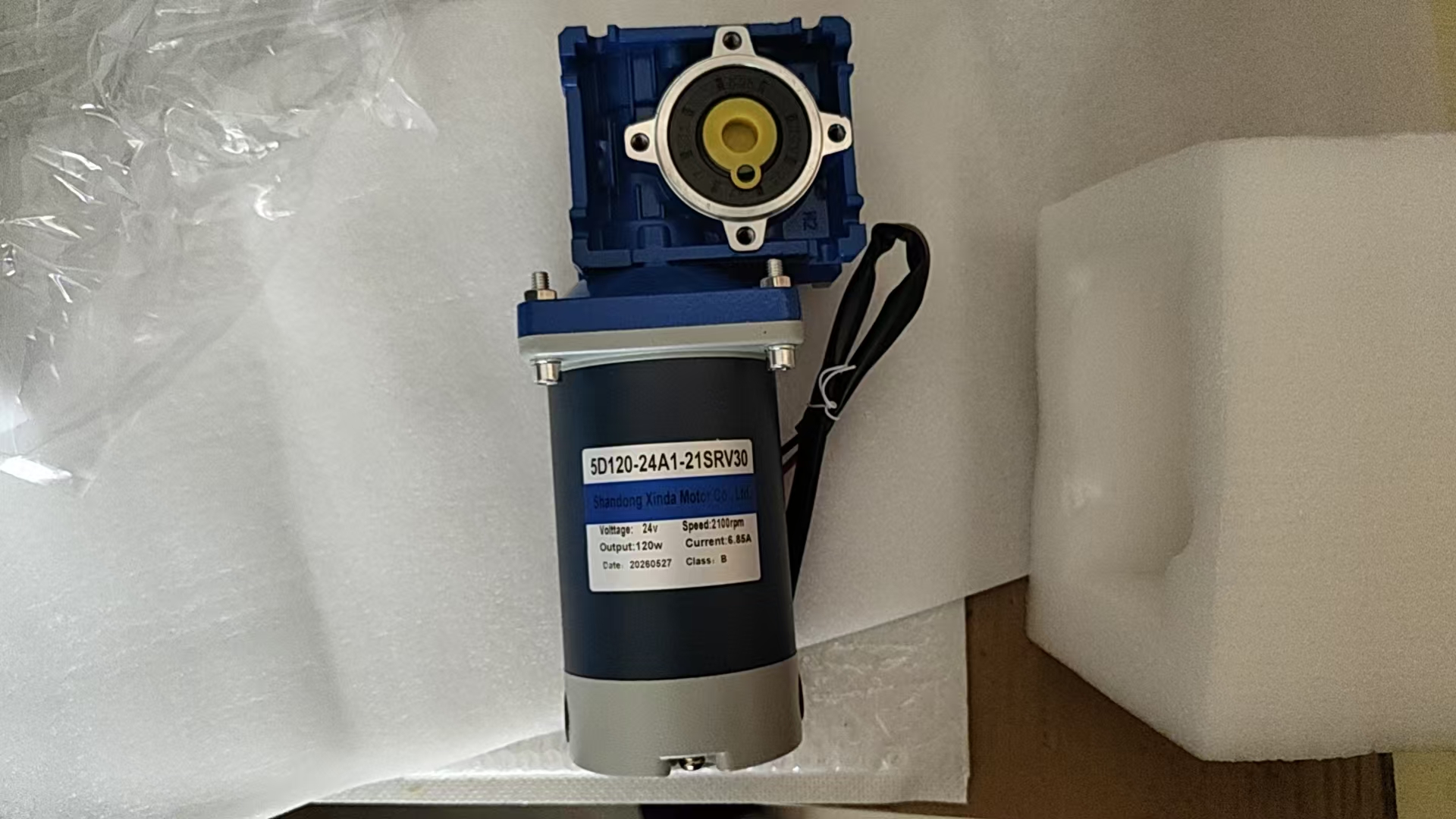
Small gear reducers are a common type of mechanical transmission device that converts the high-speed rotation of an electric motor into a low-speed, high-torque output to meet the needs of various mechanical equipment. The following is an introduction to it:
- Structure: It usually consists of a motor, a gear reducer and an output shaft. Some also integrate components such as brakes. The reducer and motor are molded as one piece.- Types: According to shape, they can be divided into LH type horizontal, LV type vertical, LHM type horizontal input flange, LVM type vertical input flange, LHD type horizontal double shaft, LVD type vertical double shaft, etc.; according to voltage, they can be divided into single phase and three phase; according to whether they have a brake, they can be divided into ordinary type and brake type.
By utilizing the meshing relationship of gears of different sizes, speed reduction and torque increase are achieved through the gear tooth ratio. When the drive gear on the drive shaft rotates, it meshes with the driven gear on the output shaft, and according to the tooth ratio, the high-speed, low-torque input is converted into a low-speed, high-torque output.
- Compact size: The structure is compact, takes up little space, and is easy to install in small mechanical equipment.- High transmission efficiency: Gear transmission has less energy loss, can effectively transmit power, and improve energy utilization.
- Large reduction ratio: It can convert the high-speed rotation of the motor into a suitable low-speed output to meet the speed requirements of different equipment.
- High load-bearing capacity: The gears mesh tightly, which can withstand large loads and torques, and can work reliably in small machinery with large loads.
- Automation equipment: Used in automated production lines, robots, etc., to drive actuators and achieve precise position control and speed regulation.- In the field of machining equipment: it can be used in small machine tools, milling machines, etc., to provide appropriate speed and torque for tool rotation and table movement.
- In the field of packaging and printing equipment: It can convert the high-speed rotation of the motor into a low-speed motion suitable for packaging and printing processes, ensuring product quality.
- Medical equipment: Providing precise power transmission for moving parts of medical diagnostic equipment, surgical instruments, etc.
- Power and torque: Select a reducer with appropriate power and torque according to the power required by the equipment to ensure that it can drive the load.- Reduction ratio: Calculate and select a suitable reduction ratio based on the required output speed of the equipment and the input speed of the motor.
- Installation method: Select a suitable installation method such as horizontal or vertical installation based on the spatial layout and installation requirements of the equipment.
Post time:
Jun-05-2026