Winding processing is always a key control point in the motor manufacturing process. Whether it is a high-voltage motor or a low-voltage motor, the selected electromagnetic wires are not the same, and the winding processing technology is also different. However, the links that are prone to problems are relatively similar. As long as these links are well controlled, the quality level of the motor can be greatly improved.
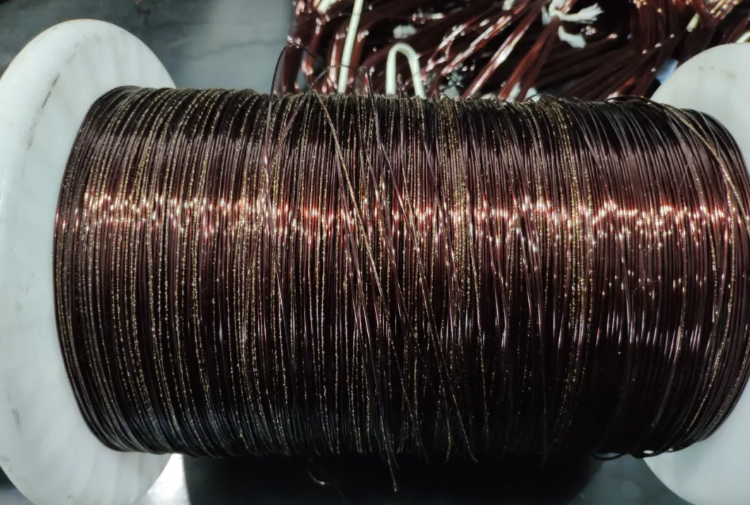
Low-voltage motor windings primarily use enameled electromagnetic wire, especially round enameled electromagnetic wire. The essential manufacturing processes for this type of winding include winding, winding insertion, shaping, and wiring.
1. During the winding process , sudden breakage due to excessive weight or obstruction of the spool can lead to uneven winding resistance or wire breakage. Uneven force during winding can cause the coil to loosen, increasing the difficulty of winding and also causing uneven resistance. Damage to the enamel film on the electromagnetic wire during winding can lead to inter-turn faults in the motor windings.
2. During the winding process , the varnish film is damaged when the electromagnetic wire enters the slot. This problem is more serious, especially when the slot fill rate is relatively high. Therefore, the design and manufacturing process should take into account the degree of process satisfaction, especially the control of the straight side length of the coil and the smoothness of the iron core.
3. When forcefully striking during the end shaping process, it may cause damage to the insulation between winding turns, between phases, or to ground. Especially for low pole number motors, end shaping should be carried out during the winding process, and the winding should be straightened and shaped at the same time to avoid excessive rough handling.
4. During the wiring process, the treatment of the enameled wire insulation layer, the fixing and connection of the joints, and the insulation treatment at the interface position must be in place. Whether it is the connection of the winding itself or the connection between the winding and the lead wire, the insulation performance should be guaranteed, and there should be no problems that affect the physical space.
For high-voltage motor coils, the coil forming process has a significant impact on the insulation layer of the electromagnetic wire itself. During the coil design process, the insulation layer damage caused by bending of the electromagnetic wire should be avoided as much as possible, especially at the intersection of straight and inclined sides, where insulation damage is more concentrated. This is also a key control point in the manufacturing process.
The thickness and tightness of the insulation of the high-voltage motor coil are crucial, especially the hand-wrapped ends, which are more complex in shape, subject to more human factors, and are the part with the most uneven field strength during motor operation. They must be properly controlled and handled. During the winding process, the gap between the coil and the iron core slot must be strictly controlled to prevent corona problems.
Post time: Apr-27-2026